As an SEO professional, I’ve seen how every new update in Google’s AI-driven search changes how people discover, evaluate, and buy products online. One of the biggest shifts we’re now witnessing is the introduction of shopping features inside AI Mode results — a transformation that’s quietly redefining how SEO and e-commerce strategy must work together.
Let’s unpack what this “shopping in AI results” actually means, how it works, and how brands and SEO managers like me can optimize for it.
What Is the Shopping Feature in AI Mode Results?
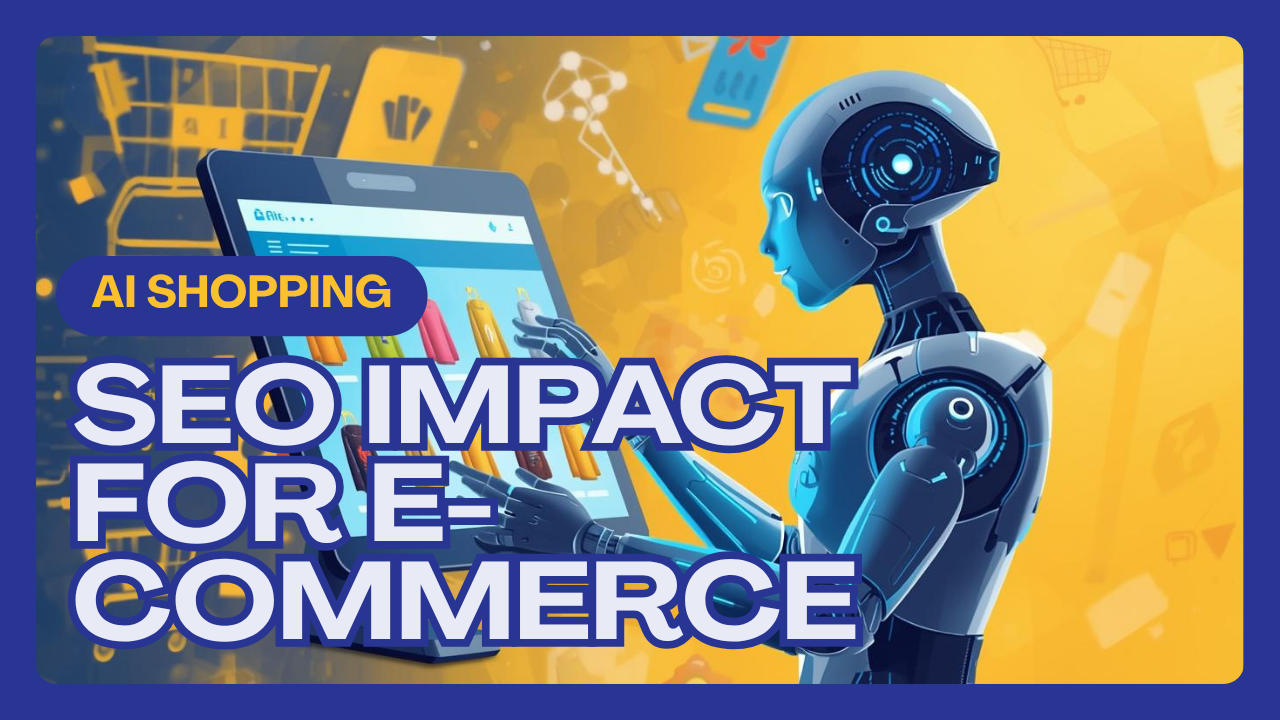
The “shopping feature in AI Mode” refers to Google’s integration of AI-generated answers that directly display products, prices, and merchant links within its AI Overview or Search Generative Experience (SGE).
In simpler words, instead of typing “best wireless earbuds” and getting only organic results or ads, users now see AI-curated shopping carousels powered by product feeds, reviews, and user intent — all generated instantly by Google’s AI.
This new layer sits above traditional organic listings, combining AI insights with commerce data, including:
- Product recommendations
- Prices and availability
- Brand comparisons
- Review summaries
- Affiliate and shopping links
How AI Shopping Results Are Changing User Behavior
From my experience observing multiple e-commerce campaigns, user behavior in search is shifting dramatically:
- AI Results Are Becoming the New ‘Top of Funnel’
Instead of scrolling down to find the best site, users trust AI’s first answer — and buy directly from there. - Users Expect Context and Personalization
They no longer want “ten blue links.” They expect the AI to understand their preferences, budget, and past searches — and filter results accordingly. - Zero-Click Shopping Is Growing
Just like zero-click searches affected SEO traffic, AI-based shopping experiences reduce clicks. People can buy directly from AI interfaces without visiting multiple sites.
These shifts mean SEO must evolve beyond keyword ranking — we now need to optimize our content and product data for AI-driven visibility.
How the Shopping Feature Works in AI Mode
Based on my ongoing testing with AI-integrated SERPs, here’s what happens behind the scenes:
- Google’s AI scans query intent.
It detects if the user is in a shopping mindset (e.g., “best running shoes under ₹5000”). - AI generates an answer block.
It combines verified data from trusted sources, structured product feeds, and user reviews. - Products appear with merchant links.
Each featured item has pricing, ratings, and a “Visit site” or “Shop now” option — often powered by Google Shopping or partner feeds. - SEO data indirectly feeds AI selection.
Your structured data, schema markup, product titles, and content context still influence which products AI highlights.
In essence, the AI shopping experience merges organic SEO signals with e-commerce data, giving users instant purchase options.
The SEO Impact: What I’ve Observed Firsthand
Here’s what I’ve learned through client audits and live testing since AI mode began influencing product search:
1. Structured Data Is Now Critical
Google relies heavily on structured product markup (schema.org/Product) to understand your items.
Without it, your product may never appear in AI-driven shopping carousels.
2. Review Quality Matters
AI prioritizes products with authentic, well-rated reviews. Fake or repetitive reviews are easily filtered out by machine learning models.
3. Price and Availability Are Ranking Signals
Dynamic price updates and stock availability directly affect whether your products are shown in AI shopping results.
4. Content Relevance Beats Keyword Stuffing
When I optimized e-commerce content using conversational, context-rich descriptions rather than keyword-heavy paragraphs, AI results favored those listings.
5. Brand Trust Influences AI Selection
Google’s AI factors in brand authority — which means consistent mentions, backlinks, and verified seller data can push your products into AI Overview results.
How SEO Managers Can Optimize for AI Shopping Mode
Here’s how I personally approach this shift, combining my SEO and AI workflow:
1. Implement Complete Product Schema
Use product schema with accurate data fields:
- Name
- Image
- Description
- Brand
- SKU
- Offers (price, currency, availability)
- AggregateRating
Tools like SE Ranking, Merchynt, or Schema.org Generator can help validate and test markup accuracy.
2. Optimize Content for Conversational Queries
AI Mode thrives on natural language.
Example: Instead of “Buy LED TV India,” target “Which LED TV is best for small rooms?” and craft product copy that answers that question.
I’ve used ChatGPT and Gemini to simulate user intent queries — and then optimized product descriptions accordingly.
3. Focus on First-Party Data
Ensure that your Google Merchant Center, Search Console, and Product Feed are perfectly synced.
Discrepancies between feeds and live pages can reduce your AI shopping visibility.
4. Leverage Visual Content
AI-generated results now include visuals, so product photography, 3D views, and video snippets play a role in visibility.
When I added product demo videos with proper metadata, I saw improved impressions in AI shopping blocks.
5. Improve Brand Signals
AI tends to highlight brands with authority.
Boost your off-page trust by:
- Getting mentions in niche blogs.
- Increasing positive social sentiment.
- Keeping NAP (name, address, phone) consistency.
6. Use AI Tools for Product Optimization
I personally use tools like SE Ranking, Grammarly, ChatGPT, and LinkWhisper to fine-tune descriptions, interlink products, and improve content readability — all of which indirectly help with AI-driven selection.
AI Mode Shopping and Affiliate SEO: New Opportunities
For affiliate marketers, this update is huge.
AI Mode now curates affiliate-style product comparisons, which means content creators who use affiliate links can also appear within AI answers.
Example:
A blog that compares “best budget phones under ₹15,000” might have its products surfaced directly within AI Mode — with affiliate credits still tracked.
To leverage this:
- Write genuine, research-backed product comparisons.
- Include original insights (AI filters out copied summaries).
- Use affiliate schema for better recognition.
How AI Mode Could Disrupt Paid Shopping Ads
AI shopping results blur the line between organic and paid.
While Google Ads still exist, AI Mode sometimes blends them with organic suggestions — making it harder to tell what’s paid.
However, this actually helps SEO managers who focus on organic optimization:
If your data and content are strong, you can earn free visibility in premium real estate that was once reserved for ads.
Challenges I’ve Noticed So Far
AI Mode shopping isn’t perfect.
Here are some real-world challenges I’ve faced during client campaigns:
- Inconsistent product visibility — rankings fluctuate as AI models update.
- Feed sync delays — Merchant Center data takes time to reflect.
- Lack of analytics clarity — Google hasn’t yet offered transparent reporting for AI impressions.
- Affiliate confusion — sometimes AI links to aggregators instead of original creators.
Despite these challenges, I’ve found that a well-optimized site with structured data and strong authority consistently performs better in AI-driven results.
The Future of AI Shopping and SEO
In my opinion, this is just the beginning.
AI shopping features will evolve into personalized commerce assistants — where Google or Bing’s AI recommends products based on your browsing history, budget, and even upcoming events.
For SEO managers, that means the job will move from keyword optimization to AI experience optimization.
We’ll soon need to:
- Understand AI intent models.
- Train content to align with buyer personas.
- Use generative AI to predict emerging queries.
Those who adapt early will dominate this new era of AI-driven e-commerce visibility.
My Closing Thoughts
As someone managing SEO campaigns for years, I can confidently say that AI Mode’s shopping feature isn’t a threat — it’s a shift.
The same way we adapted to featured snippets, local packs, and voice search, this too is an evolution of how people shop.
If your product data, SEO foundation, and AI-readiness are strong, your brand will not just survive — it will lead the new AI commerce frontier.
And as always, the brands that blend authentic content with smart AI optimization will stay one step ahead.